
Alliance Championship
Alliance Championship
Game: Hitwicket – Multiplayer Cricket Strategy Game
Platform: Mobile (Android / iOS)
TL;DR
The Problem
Late-game users lacked a compelling reason to stay active. There was no prestigious social arena, no place where the best alliances could prove their dominance.

The Solution
The Alliance Championship: A multi-stage, collaborative tournament that combines the structure of real sports leagues with deep social strategy mechanics.
Quick Facts
My Role: Game Designer
End-to-end ownership, tournament design, social mechanics, monetization systems, and glorification.
The Goal
Build a monthly recurring LiveOps event that deepens retention, fuels alliance identity, and meaningfully increases ARPPU for our most engaged users.
The Stack
Unity, Google Sheets (Logic Modeling), and Custom Admin Tools.
The Impact
ARPPU increased by
Day 7 Retention boosted by
Churned users returned
Churned users returned
PvP matches lift in qualifiers
PvP matches lift in qualifiers
Game: Hitwicket – Multiplayer Cricket Strategy Game
Platform: Mobile (Android / iOS)
TL;DR
The Problem
Late-game users lacked a compelling reason to stay active. There was no prestigious social arena, no place where the best alliances could prove their dominance.
The Solution
The Alliance Championship: A multi-stage, collaborative tournament that combines the structure of real sports leagues with deep social strategy mechanics.
Now lets dive deeper into the design process
The Problem
Our most engaged players had nowhere to prove they were the best.
Hitwicket's late-game alliances were the heart of the community, friendships, rivalries, identity all lived inside them. But there was no recurring stage where alliances could compete *as alliances*. Engagement among the most dedicated players was plateauing, and there was no compelling reason to keep showing up day after day.
The Goal
Build a prestigious tournament where alliances battle for ultimate glory.
A monthly LiveOps event for our most engaged users that would: deepen retention, strengthen alliance identity, introduce fresh strategy layers, and meaningfully grow ARPPU, all while feeling like a real-world sports league, not just another leaderboard.
Quick Facts
My Role: Lead Systems Designer
End-to-end ownership, tournament design, social mechanics, monetization systems, and glorification.
The Goal
Build a monthly recurring LiveOps event that deepens retention, fuels alliance identity, and meaningfully increases ARPPU for our most engaged users.
The Stack
Unity, Google Sheets (Logic Modeling), and Custom Admin Tools.
The Impact
Day 7 Retention boosted by
Churned users returned
PvP matches lift in qualifiers
Design Pillars
Design Pillars
The 3 pillars I designed around...
1. Identity: Alliances are a source of pride. Tap into that.
2. Strategy: Make it deeper than just "who has the strongest team."
3. Glory: Make winning feel monumental, not just rewarding.
My Role
I designed for the social fabric of the game, not just the gameplay loop.
I asked:
"How do you make 60 alliances feel like rivals fighting for a real cup?
How do you make the strongest players need their weakest teammates?
How do you take a leaderboard and turn it into a sports league? "
Key Design Decisions
With those pillars in mind, I built the championship around 4 key systems.
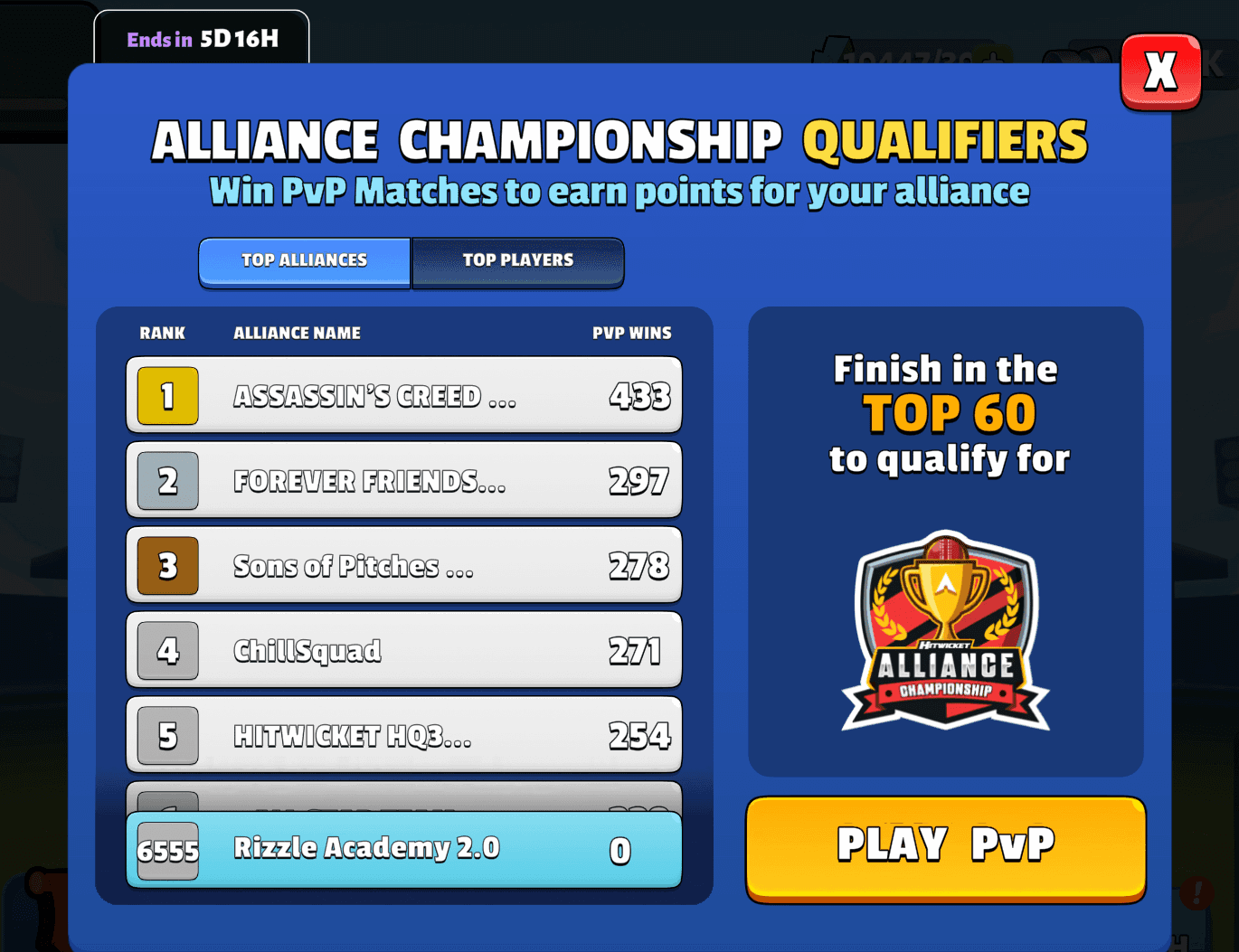
01 Identifying the elite (the Qualifier)
A week-long open Qualifier where every alliance competes for one of 60 spots, measured by cumulative PvP wins across all members.
The catch: a 30-win cap per user. No more carrying. The whole alliance has to show up, or you don't make it in. This single rule turned individual grinding into a coordinated team effort and turned the qualifier itself into a community-wide event.
02 Tournament Structure
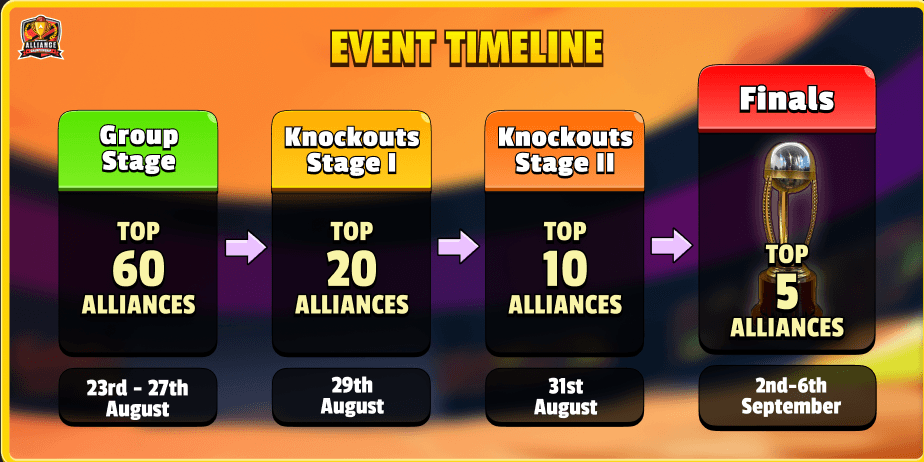
Modeled after real sports leagues: Qualifiers → Group Stage → Knockout 1 → Knockout 2 → Finals.
The 60 alliances are seeded into 10 groups (1 top-tier + 1 mid + 4 lower per group), strong alliances don't meet too early.
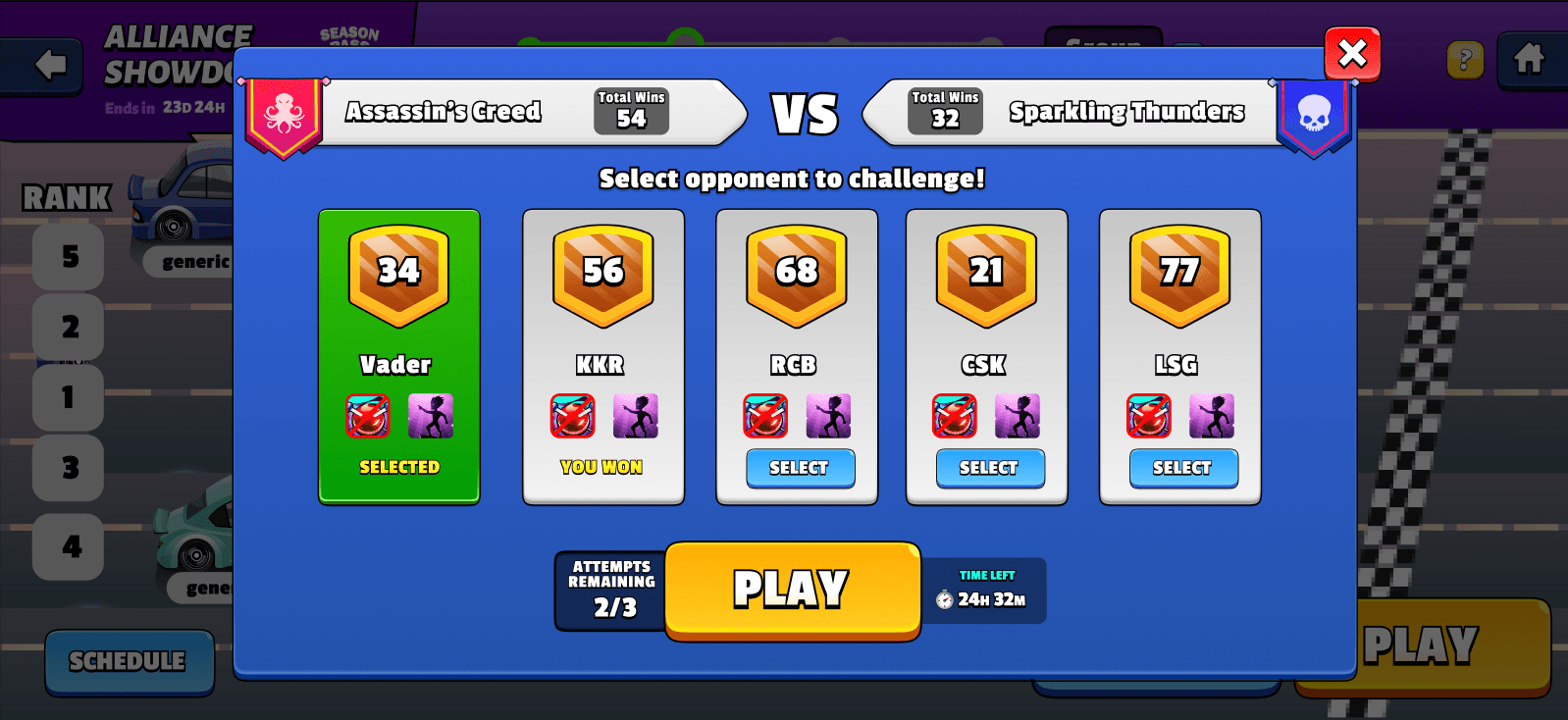
Inside each match, alliances are split into power-tiered sets of 5, so a Set 1 player faces a Set 1 opponent. Each user gets 3 matches per day, so the alliance has to coordinate which 5 members hit which 5 opponents.
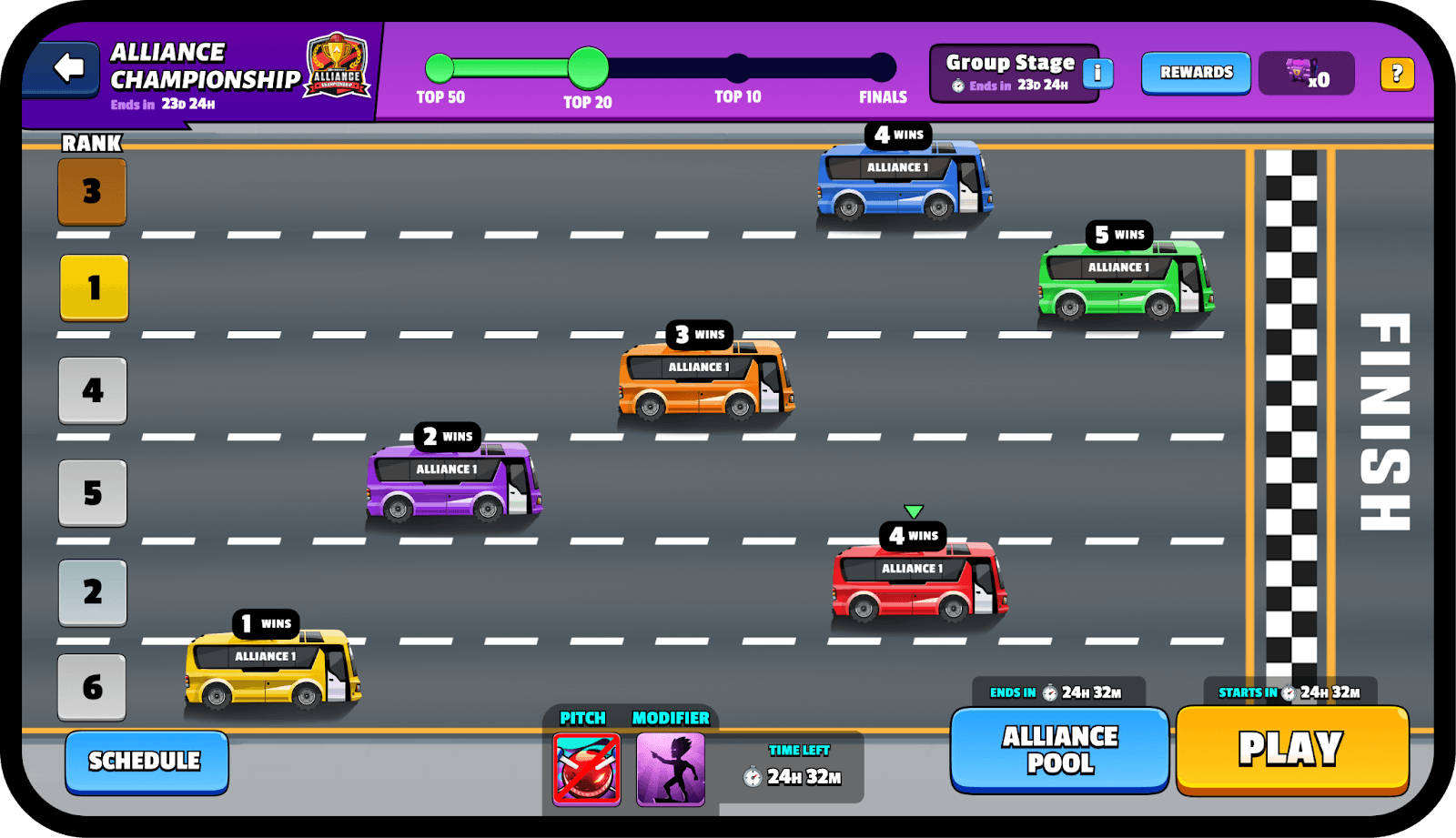
The points table itself wasn't a spreadsheet, it was a row of buses racing each other down the road. Position = your spot on the table. It made every win feel visceral.
03 Forcing real teamwork (the Donation Pool)
A tournament structure isn't enough, the gameplay itself had to demand teamwork.
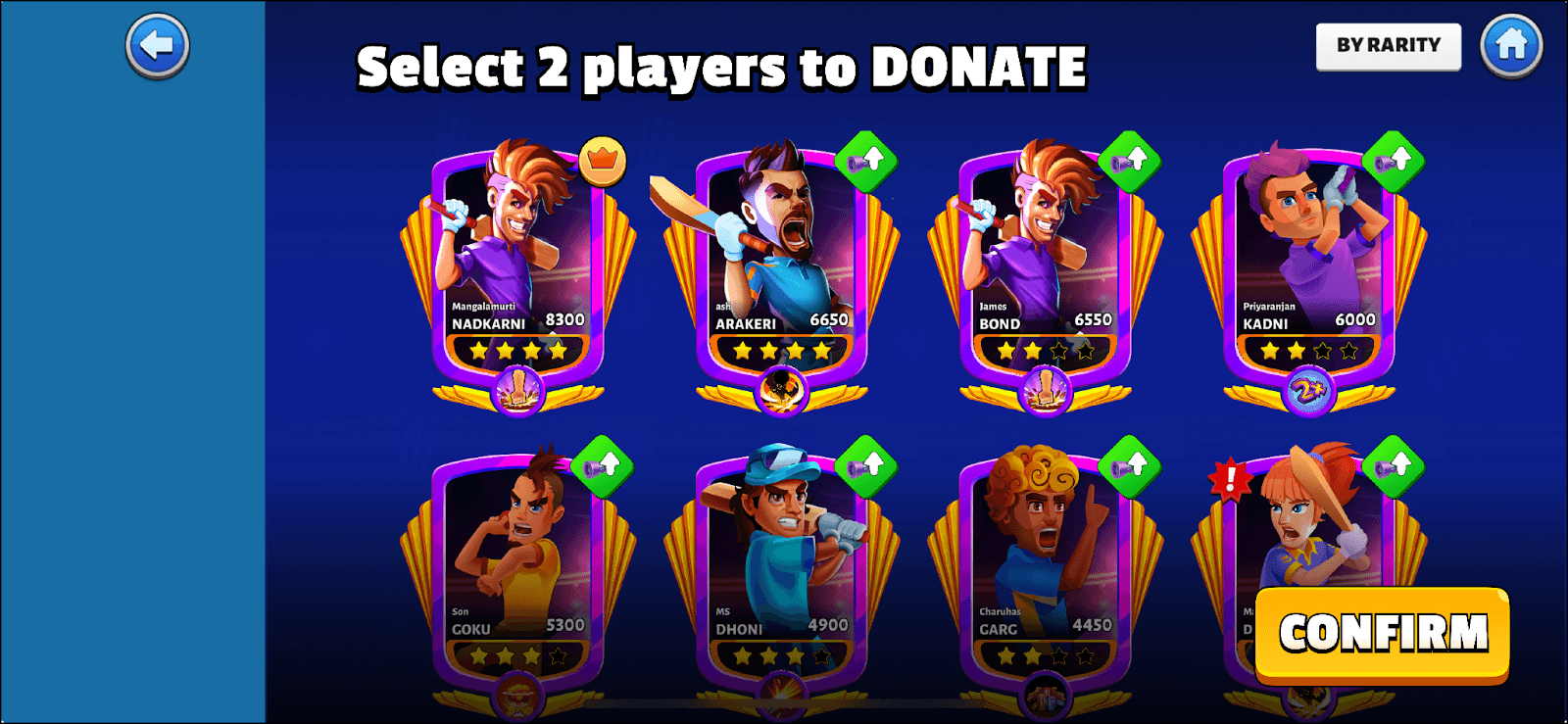
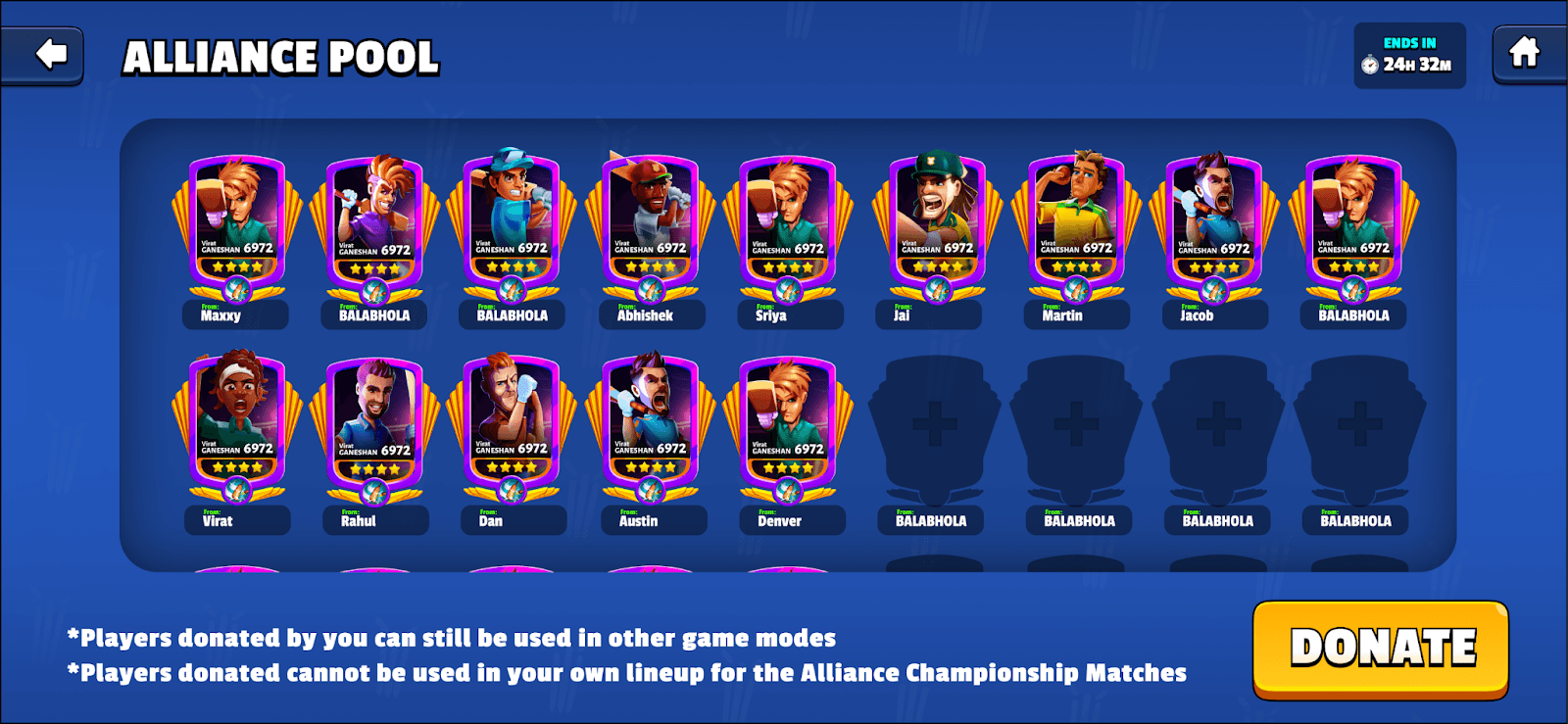
Every alliance member donates 2 players to a shared alliance pool. When picking your 11-player squad for a match, 2 of those 11 *must* come from someone else's donation.
Suddenly, the strongest players in the alliance are propping up the weaker ones, and the alliance is mixing and matching its pool every day based on who they're facing.
It rewired alliance chat. Instead of "good luck today," it became "who needs my keeper?"
04 Strategic depth & a level playing field
04 Strategic depth & a level playing field
Pitches, Modifiers, and Power Caps — making the strongest alliances think hardest.
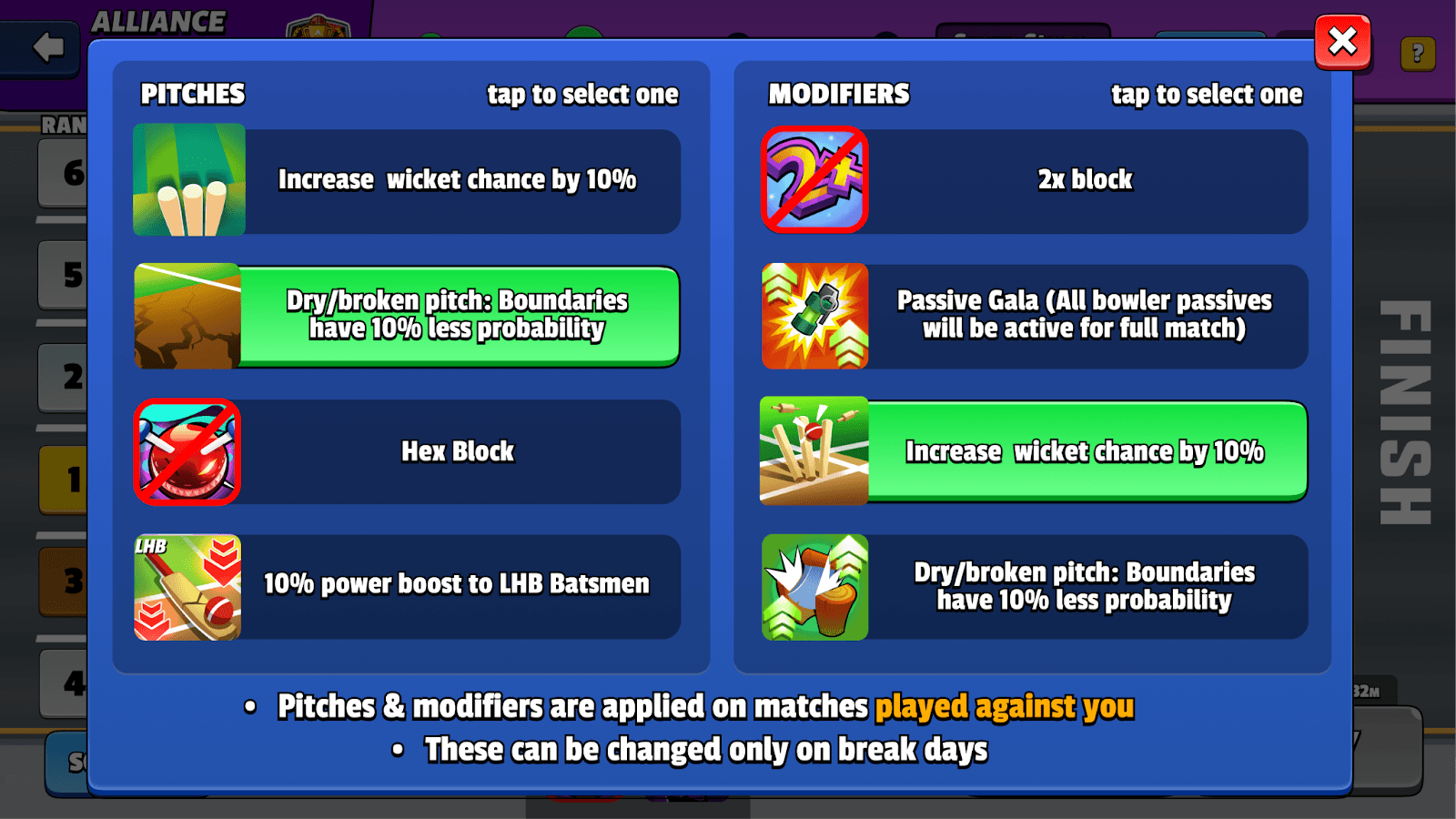
Pitches & Modifiers: Each match, the alliance chooses 1 of 4 Pitches (which buff/nerf bowler types) and 1 of 4 Modifiers (which buff/nerf batsman abilities). The alliance has to communicate, look at the opponent's likely lineup, and converge on a strategy together.
Power Caps by stage: Group Stage caps Team OVR at 60. Knockouts at 75 and 90. Finals at 100. The strongest alliances can't just steamroll the early stages with raw power, they have to play strategically, and every stage demands player development. The competition stays close all the way through.
Monetization
Designing spend that feels earned, not extracted.
The business goal was straightforward, lift ARPPU among our top spenders. The harder goal was making that lift feel like a natural extension of the competition, not a paywall. I built two systems that worked together:
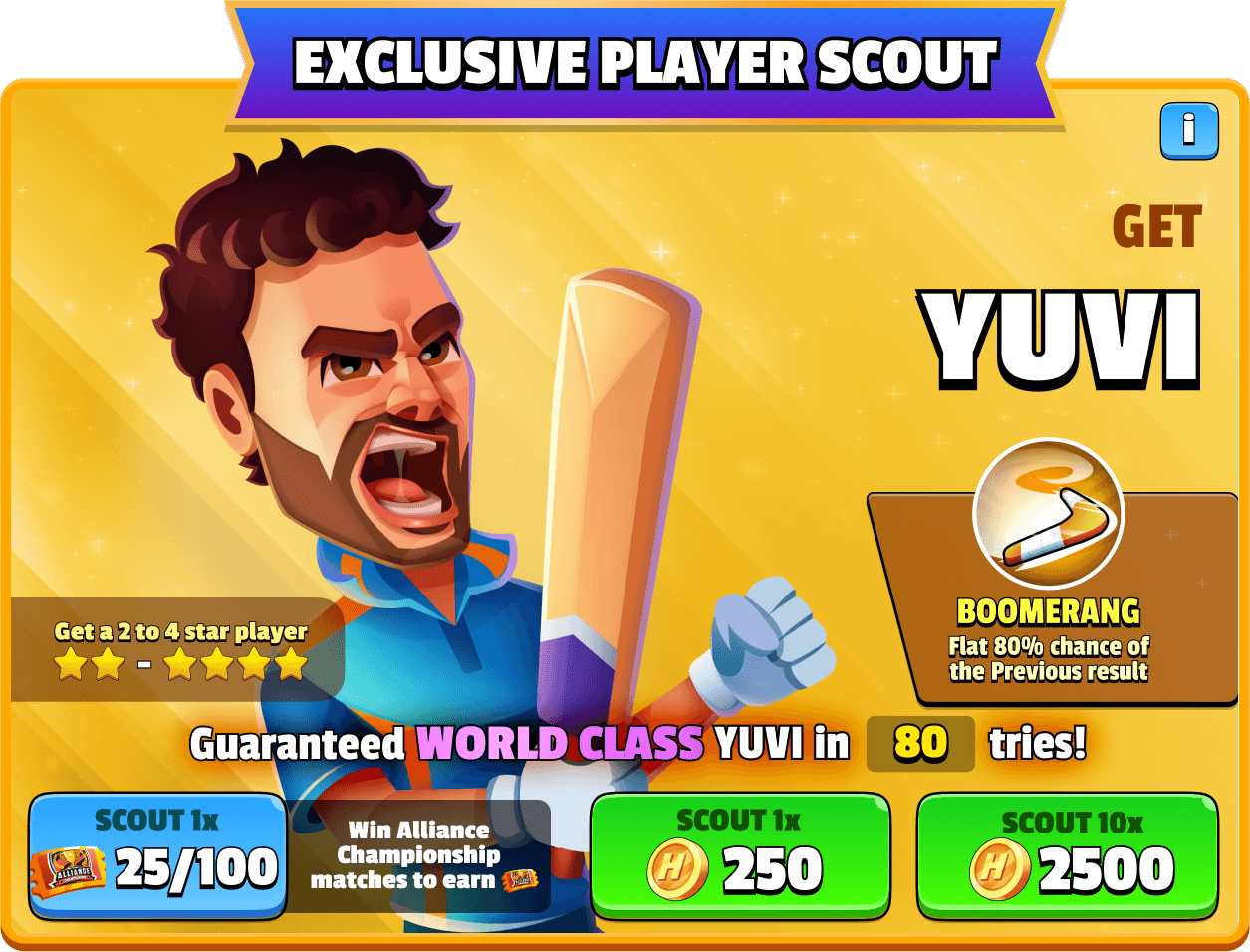
System 1 - Exclusive Player Scout.
Every championship comes with a flagship player available only through a special scout. Players can spin using either Tickets (earned by winning matches) or Hard Currency. The exclusive is guaranteed at 80 opens, and you can earn ~20 opens worth of free tickets. The remaining 60 are the conversion zone, but every spin still feels rewarded by the championship itself.
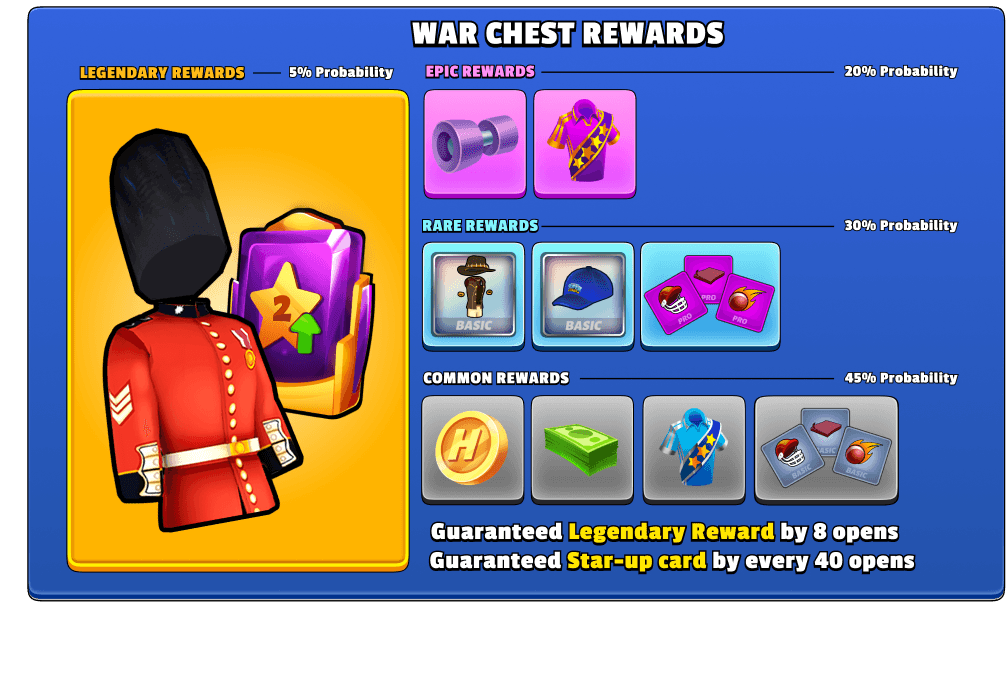
System 2: War Chests & Keys. Winning matches drops War Chests, but chests need Keys to open. Each stage awards a number of Keys based on your alliance's standing, calibrated so you usually earn ~3 Keys for every ~5 Chests.
You're not buying a random reward; you're buying access to rewards you already earned. A guaranteed-rewards counter at 8 opens kept players coming back. The principle: never sell what someone hasn't fought for. Sell the finishing piece.
My Impact
After launch, the Alliance Championship became the most important moment of the month for our top players.
ARPPU increased by
Day 7 Retention boosted by
Churned users returned
Churned users returned
PvP matches lift in qualifiers
PvP matches lift in qualifiers
What I learned
This was the moment I felt like a game designer.
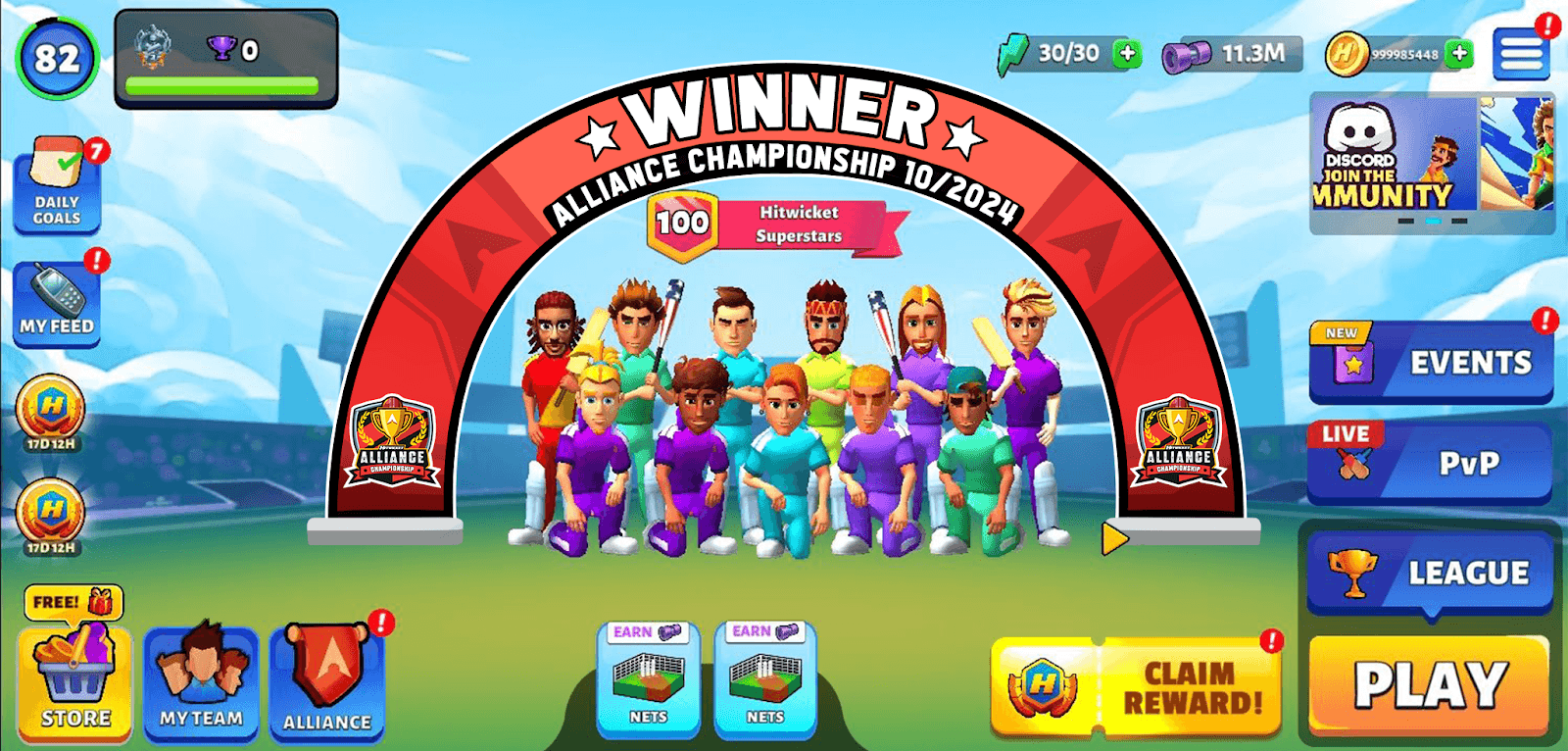
The numbers were strong, but the story I remember best is what we did *after* the final whistle. We shipped a physical trophy to the winning alliance leader's doorstep.
And we put a championship banner on their team huddles on the dashboard, visible to every other player in the game, every time they logged in.
Designing for social behavior is as important as designing for gameplay. Real-world sports translate beautifully into live-game systems if you respect what makes them emotional. Monetization can feel meaningful when it's tied to effort and reward.
"This event merged my love for sports with my love for game systems, and I watched 60 alliances treat it like the real cup."
For the full case study, check it out on desktop
Hitwicket's late-game alliances were the heart of the community — friendships, rivalries, identity all lived inside them. But there was no recurring stage where alliances could compete *as alliances*. Engagement among the most dedicated players was plateauing, and there was no compelling reason to keep showing up day after day.
Let's Get in Touch
Let's connect and build something together
Come say hi at abhichatterjee01@gmail.com
View my LinkedIn
Let's Get in Touch
Let's connect and build something together
Come say hi at abhichatterjee01@gmail.com
View my LinkedIn
Let's Get in Touch
Let's connect and build something together
Come say hi at abhichatterjee01@gmail.com
View my LinkedIn