CASE STUDY · LUX · LEAD SYSTEMS DESIGNER
Three heroes, one fight.
A roguelite-Hero FPS where you get to combo with yourself!
Check out the game here: LUX
ROLE
Lead Systems Designer
ENGINE
Unity 6 (URP)
PLATFORM
PC · Steam
RELEASE
Coming Soon
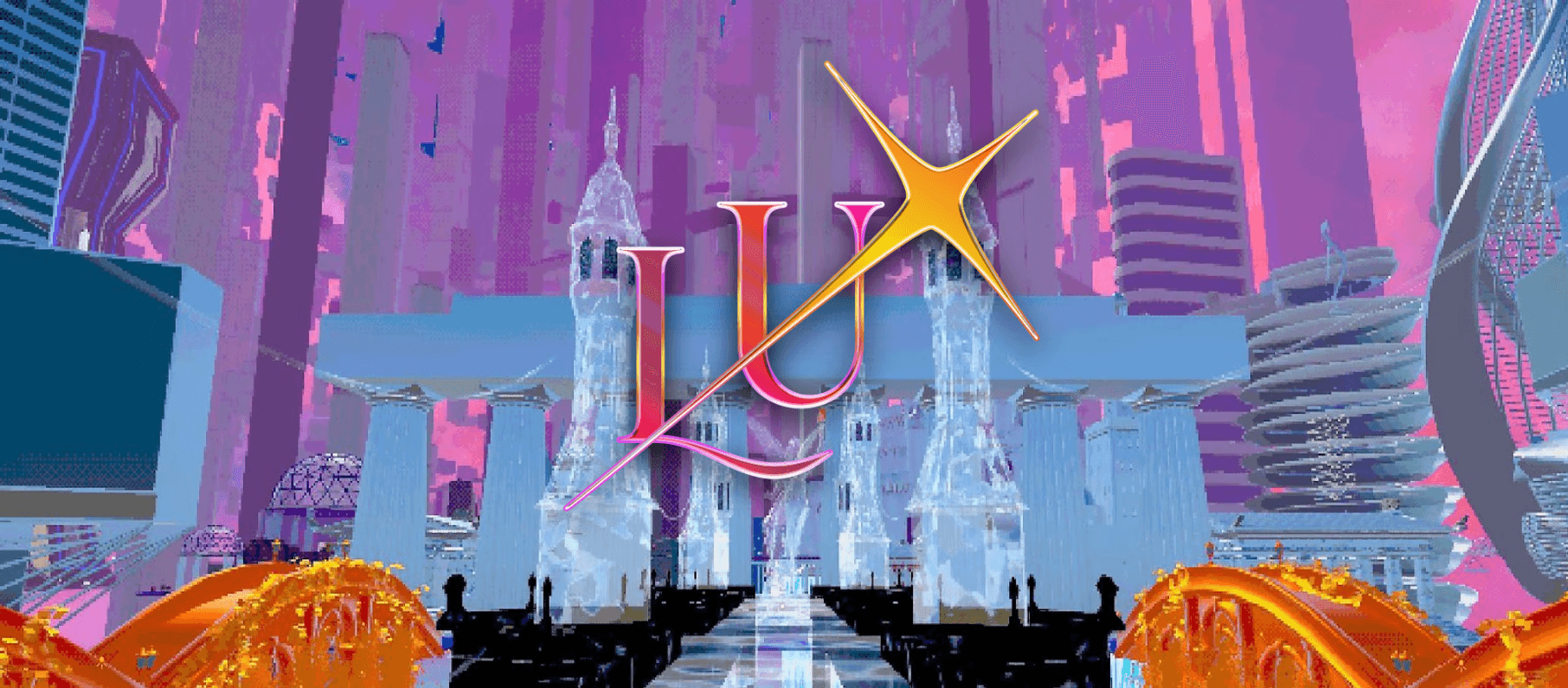
[ HERO BANNER · key art / character lineup ]
// TL;DR
What I did on Lux
01
Owned combat systems end-to-end : economy, balance, status framework, enemy archetypes.
02
Balanced 3 hero kits anchored to one rule: no hero wins alone.
03
Designed 4 enemy archetypes : each engineered to neutralize a specific hero.
04
Tuned the resource economy across playtests ; one variable at a time.
05
Prototyped systems directly in Unity for live tuning during playtests.
// WHAT IS LUX
A roguelite-Hero FPS built at NYU Game Center.
Shipping on Steam soon
GENRE
Roguelite FPS
Wave-based arena combat with permadeath. Each run is a fresh attempt to push deeper.
CORE HOOK
3 heroes, 1 fight
Switch between three hero kits mid-combat. The roster is the weapon. The swap is the skill.
TEAM
4 people, 4 months
Ahmed Shuwehdi, Ashley Newell, Destin Piagentini, and me- built in Unity 6.
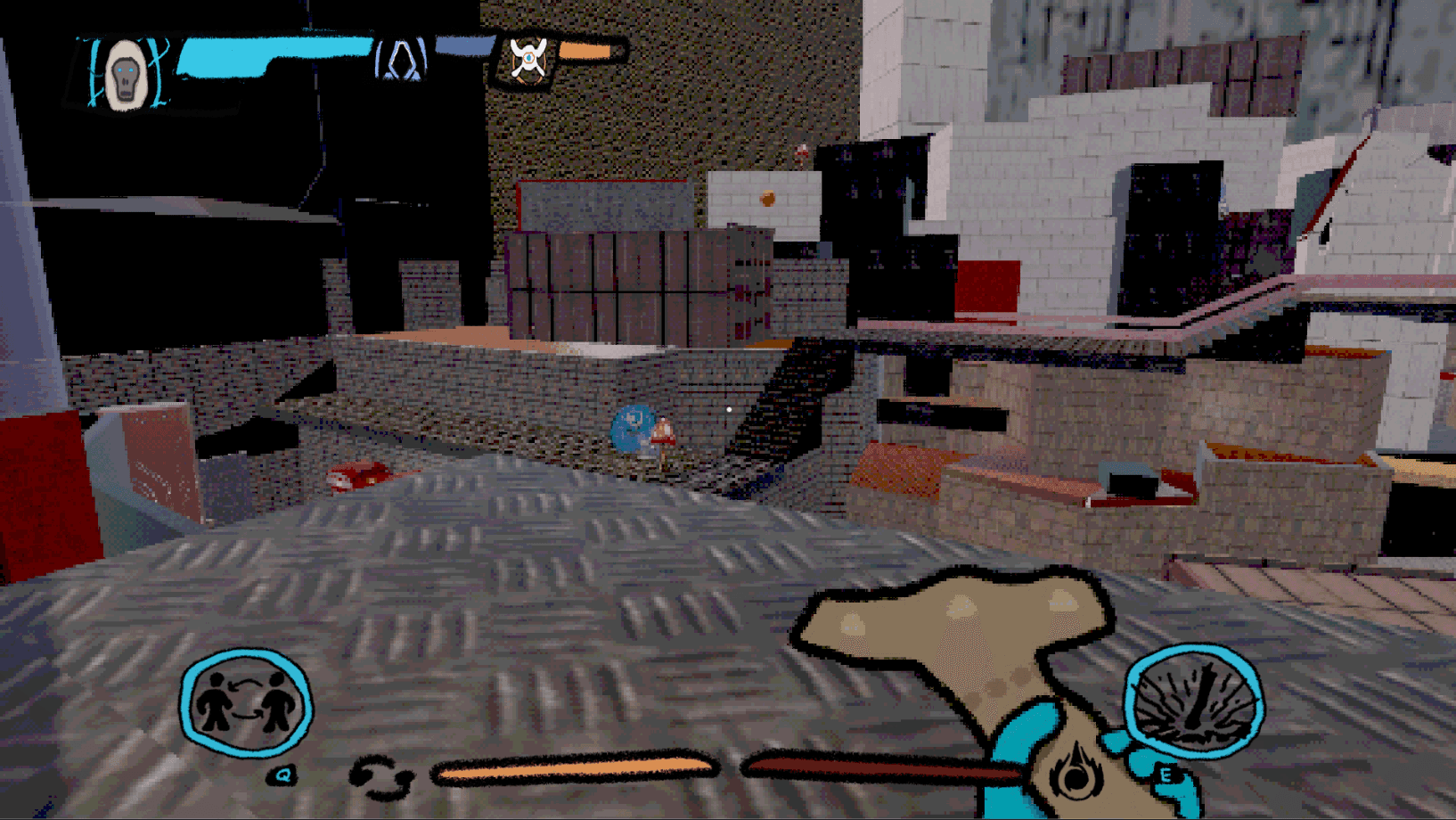
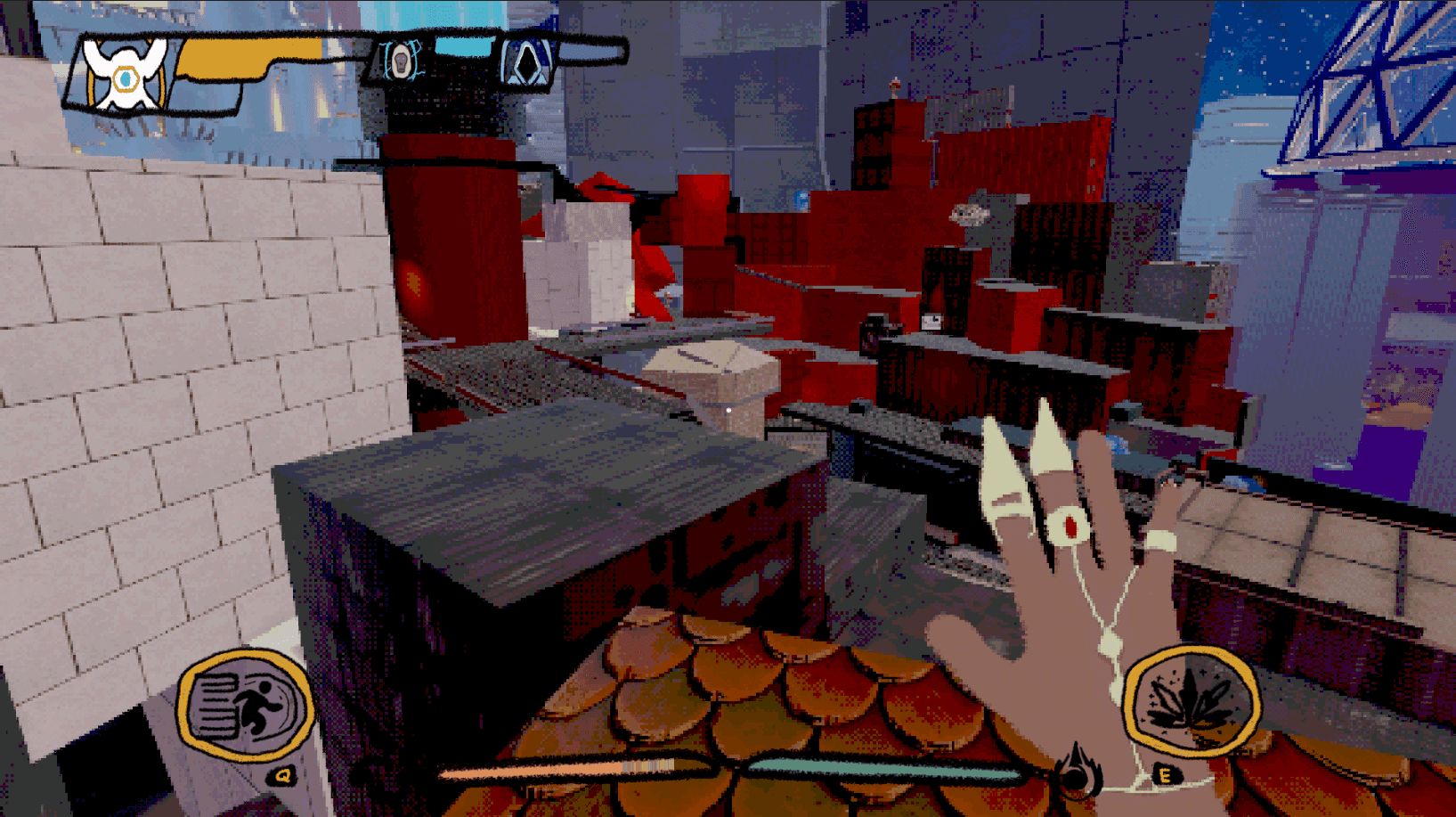
// My CORE DESIGN GOAL being the systems designer on the team
// My CORE DESIGN GOAL being the systems
designer on the team
An increasing sawtooth curve of difficulty.
Every fight peaks, drops, then peaks higher than the last. The floor rises. The rhythm holds.
[ FIG. 01 · the curve I tune toward ]
FIGHT 01
END OF RUN →
DESIGN PHILOSOPHY
Change one thing. Playtest. Repeat.
No overhauls. No tuning five variables at once. One isolated change, one playtest, rolled back the same day if the curve didn't bend.
// THE PROBLEM
Hero shooters make you pick a hero. We wanted you to play all three at once.
[ TABLE 01 · how the genre handles swapping ]
GAME
WHEN YOU SWAP
FEELS LIKE
Overwatch
Between rounds, on death
A counter-pick
Apex Legends
Locked in pre-match
A commitment
Lux
Mid-combat, by choice
A tactical decision
// THE GOAL
Build a combat loop where swapping between Heroes feels strategic.
// 03 PILLARS
Every system I designed for Lux was anchored to one of these three ideas.
P1
Every hero has a hole.
Each of the three heroes is the wrong answer to at least one fight. The roster, not the individual, is the unit of mastery.
P2
The economy is the spine.
Mana is the cost of becoming someone else. Tuning that cost was tuning the entire feel of the game.
P3
Swapping should set up swapping.
Status effects, ult charge, and life-steal carry forward across heroes , so the move you make on Angel pays off when you become Brawler.
I asked: How do you make swapping feel like the smartest move, every time? How do you build enemies that punish hero loyalty? How do you turn a panic button into a power move?
SYSTEM 01
Three Heroes, Three Holes
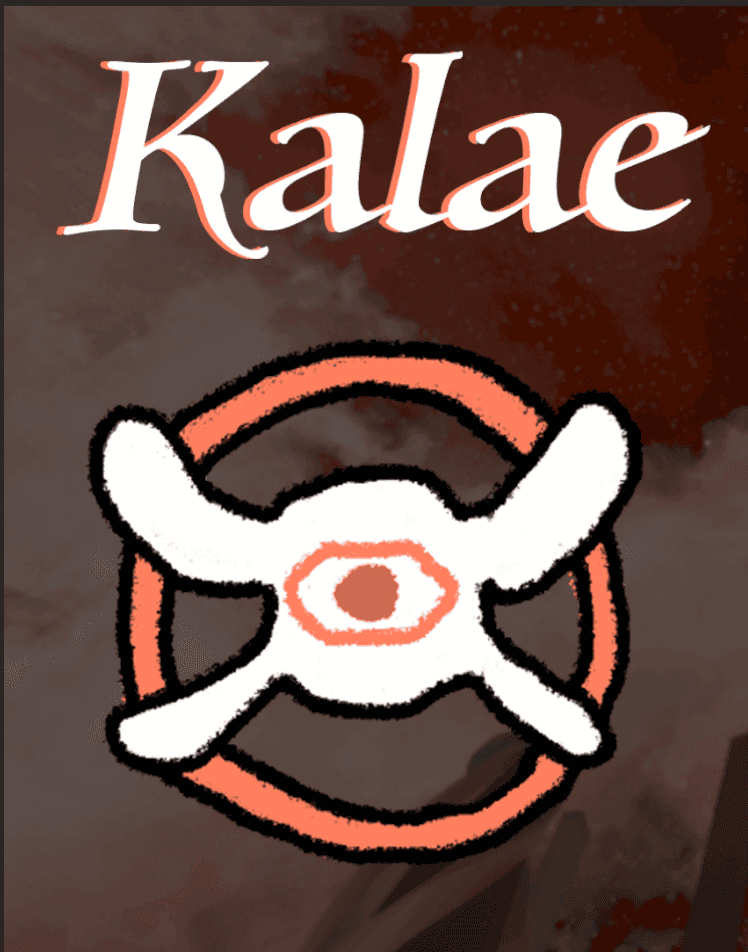
H1 · Kalae
The economy hero
Ranged, sustained, with lifesteal that heals the entire roster. The safety net.
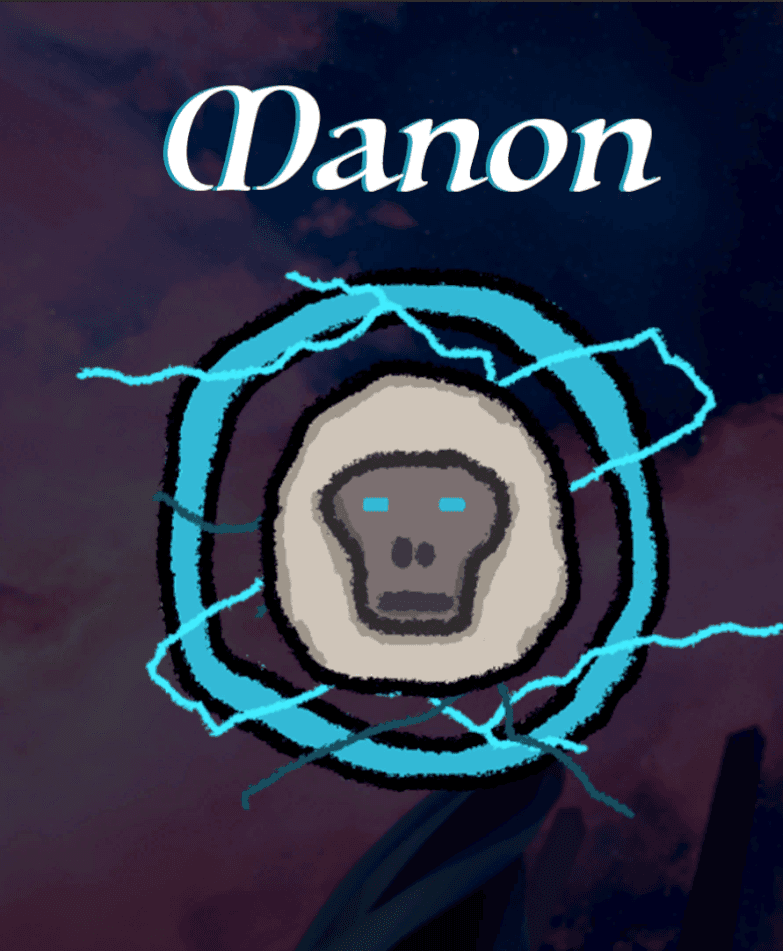
H2 · Manon
The commit hero
200 HP, 40 dmg primary, 360° stun, 30-range positional swap. Kills tanks. Eats long range.

H3 · Antares
The mobility hero
Charge-up beam, wall penetration past 30 charge, ride-able projectile. The only hero who can fight from outside the engagement range.
// DESIGN INTENT
Each hero was designed with a deliberate gap - a situation where they're the wrong answer. Angel can't take a punch. Brawler can't fight at range. Phaser can't handle swarms. Those gaps are the combos. Every ability was tuned so that what one hero sets up, another hero finishes.
[ TABLE · hero stats ]
CHARACTER
HEALTH
PRIMARY
ABILITY E
STAT (E)
ABILITY Q
STAT (Q)
Kalae
150
5 – 40
Freeze (forward)
4 secs
Invulnerable / wall pass
5 secs
Manon
200
40
Swap location
Instant
Stun (360°)
3 secs
Antares
170
2
Shooting star
7 secs
Health orb
15 secs
SYSTEM 02
The Combat System
Four enemy archetypes. Each one designed to neutralize a specific hero & to require multiple heroes to deal with
E1 · CHARGING TANK
150 HP · 25 DPS rush · 3 sec charge window
Neutralizes Phaser. Forces Brawler engagement. The encounter that teaches new players which hero is for melee.
E2 · SWARM
30 HP · 5 DPS · zigzag movement · spawned in packs
Neutralizes Phaser's beam. Forces Angel/Brawler AOE. Cheap individually, overwhelming in numbers.
E3 · SHOOTER
70 HP · 10 DPS · 15-range projectile
Neutralizes melee-only commitment. Forces ranged engagement or aggressive positioning via Brawler's Swap.
E4 · MORTAR
100 HP · 30 dmg AOE shells · 1.5 sec flight time · friendly fire ON
Neutralizes static play. Forces movement. Friendly-fires other enemies if you bait the projectile.
[ MATRIX 01 · hero × enemy time-to-kill ]
ENEMY
vs Kalae
vs Manon
vs Antares
Charging Tank
15 sec
5 sec ↑ best
30 sec ↓ worst
Swarm
15 sec ↓ worst
1 sec ↑ best
5 sec
Shooter
4 sec ↑ best
12 sec ↓ worst
8 sec
Mortar
10 sec
20 sec ↓ worst
4 sec ↑ best
SYSTEM 03
Economy & Status Effects
The single most important number in Lux is 33 - the mana cost of one Soul Swap.
[ TABLE 02 · soul swap economy ]
PARAMETER
VALUE
IF PLAYING ANGEL
Mana cap
100
—
Cost per swap
33
—
Swaps before empty
3
3
Mana regen / sec
2
4
Time to refill (full)
50 sec
25 sec
Swap animation lock
2 sec, no movement
2 sec, no movement
Angel is the bank. The other two heroes are the spenders. Players don't ask "should I swap?" - they ask "can I afford to?"
SYSTEM 03 · CONTINUED
Status Effects to allow strategic swapping
A status effect in Lux is a configurable object with three independent axes - duration, stacking, and control flags. A player on one hero can set up their next hero before they've even swapped.
AXIS 01 · DURATION
UntilRemoved
FixedDuration
PeriodicalAndFixedDuration
AXIS 02 · STACKING
DoesNotStack
FixedStackCount
InfiniteStacks
AXIS 03 · CONTROL FLAGS
lock movement
lock rotation
lock abilities
grant invincibility
[ TIMELINE 01 · combo-ing with yourself ]
T+0s
HERO
ACTION
EFFECT
0.0s
Kalae
Cast Freeze on Shooter
Shooter locked, 4 sec
0.5s
Kalae → Manon
Soul Swap (-33 mana)
2 sec lock, no movement
2.5s
Manon
Walk to target (still frozen)
1.5 sec freeze remaining
3.0s
Manon
Cast Deep Strike (stun, AOE)
Shooter stunned 3 sec → 7 sec disabled, never fired
That's not a combo between two players. It's a combo between you and your past self.
// IMPACT
Players didn't talk about the systems. They talked about how the game made them feel.
SWAPS / ENCOUNTER
1.5 → 2.7
After the mana cost rebalance to 33/swap. Players using all three heroes per fight, on average.
"I FELT SMART"
6 / 8
Playtests where the phrase came up unprompted in the last two months. The pillar landed.
Stats Balanced
40+
From hero base stats to abilities, from enemy base stats to affect on heroes, to the resource economy
SHIPPING · STEAM · Coming Soon
First public Steam build ships soon. Stay Tuned
// WHAT I LEARNED
Good systems design is invisible.
But it leads to strategic and fun game feel, which is the goal of a good systems designer
// THE TEAM
Ahmed Shuwehdi, Ashley Newell, Destin Piagentini, and me, over many late nights, more rescopes than I can count, and one shared Steam page we're about to push live. Couldn't have asked for better.
// 03 PILLARS
Every system I designed for Lux was anchored to one of these three ideas.
P1
Every hero has a hole.
Each of the three heroes is the wrong answer to at least one fight. The roster, not the individual, is the unit of mastery.
P2
The economy is the spine.
Mana isn't a spell resource — it's the cost of becoming someone else. Tuning that cost was tuning the entire feel of the game.
P3
Swapping should set up swapping.
Status effects, ult charge, and lifesteal carry forward across heroes — so the move you make on Angel pays off when you become Brawler.
// CONTINUED ON DESKTOP
The full case study is built for a wider screen.
The rest of the Lux case study includes hero stat tables, the hero × enemy matchup matrix, the status-effect framework, the Soul Swap economy breakdown, and a tuning-iteration table — all of which need a desktop's room to breathe. Open this page on a desktop to read the full thing.
The rest of the Lux case study includes hero stat tables, the hero × enemy matchup matrix, the status-effect framework, the Soul Swap economy breakdown, and a tuning-iteration table - all of which need a desktop's room to breathe. Open this page on a desktop to read the full thing.
↗ visit on desktop · 1200px or wider
CASE STUDY · LUX
Three heroes, one fight.
A roguelite-FPS where the smartest move is always which hero you become next.
ROLE
Lead Systems Designer
ENGINE
Unity 6 (URP)
PLATFORM
PC · Steam
RELEASE
May 12
[ HERO BANNER ]
Let's Get in Touch
Let's connect and build something together
Come say hi at abhichatterjee01@gmail.com
View my LinkedIn
Let's Get in Touch
Let's connect and build something together
Come say hi at abhichatterjee01@gmail.com
View my LinkedIn
Let's Get in Touch
Let's connect and build something together
Come say hi at abhichatterjee01@gmail.com
View my LinkedIn
// WHAT IS LUX
A roguelite-FPS built at NYU Game Center. Shipping on Steam soon
GENRE
Roguelite FPS
Wave-based arena combat with permadeath. Each run is a fresh attempt to push deeper.
CORE HOOK
3 heroes, 1 fight
Switch between three hero kits mid-combat. The roster is the weapon. The swap is the skill.